Digital Marketing Agency: Strategies for Online Business Growth
Driving Business Growth with Proven Digital Marketing Strategies
In the rapidly evolving landscape of digital marketing, businesses must adopt effective strategies to thrive online. This article delves into the essential tactics that a digital marketing agency can employ to drive online business growth, focusing on maximising return on investment (ROI) and enhancing lead generation. Readers will learn about various digital marketing services, including search engine optimisation (SEO), pay-per-click (PPC) advertising, social media marketing, and content marketing. Each strategy plays a crucial role in improving visibility, attracting targeted traffic, and nurturing leads through the sales funnel.
Many businesses struggle to navigate the complexities of online marketing, often leading to wasted resources and missed opportunities. By implementing tailored digital marketing strategies, companies can overcome these challenges and achieve sustainable growth. This article will explore the key components of a successful digital marketing strategy, including data analysis, audience targeting, and the integration of various marketing channels.
Search Engine Optimisation (SEO)
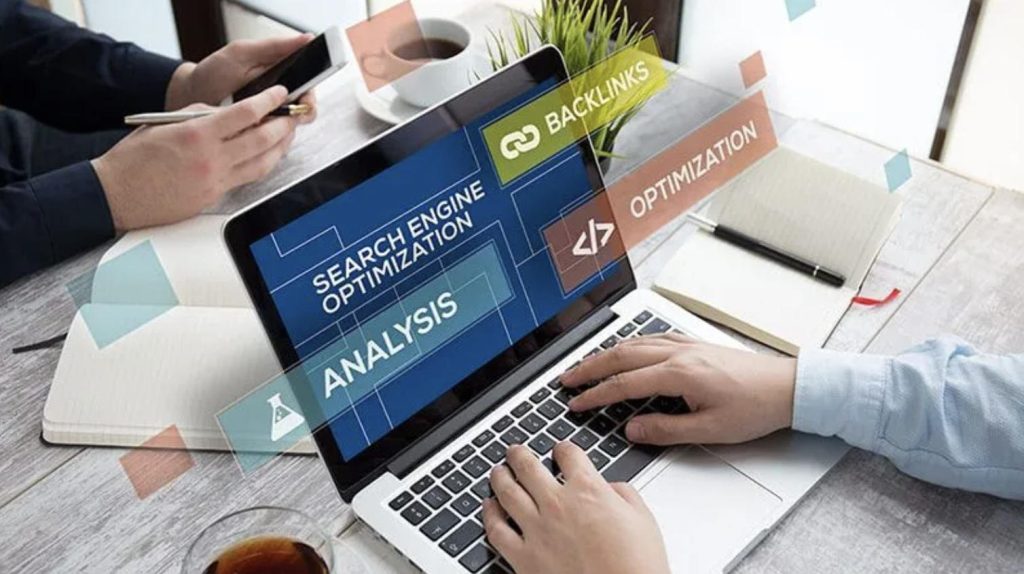
Search engine optimisation (SEO) is a fundamental component of digital marketing that focuses on improving a website’s visibility in search engine results. By optimising various elements of a website, businesses can increase organic traffic and enhance their online presence. Effective SEO strategies include keyword optimisation, content creation, and technical improvements that ensure a website is user-friendly and accessible.
SEO works by aligning a website’s content with the search intent of users, making it more likely to appear in relevant search results. This alignment not only drives traffic but also enhances the overall user experience, leading to higher engagement and conversion rates. For businesses looking to improve their marketing ROI, investing in SEO is essential, as it provides long-term benefits and sustainable growth.
What Are the Most Effective SEO Strategies for Business Growth?
Several effective SEO strategies can significantly impact business growth. These include:
- Keyword Research: Identifying high-traffic keywords relevant to your business helps in creating targeted content that attracts potential customers.
- On-Page Optimisation: Ensuring that each page of your website is optimised for specific keywords, including meta tags, headers, and content structure, enhances search visibility.
- Quality Content Creation: Producing valuable and informative content not only engages users but also encourages backlinks, which are crucial for improving domain authority.
Implementing these strategies can lead to increased organic traffic and improved lead generation, making SEO a vital aspect of any digital marketing plan.
How Do Customised SEO Techniques Improve Online Visibility?
Customised SEO techniques enhance online visibility by tailoring strategies to meet the specific needs of a business. This involves:
- Aligning Content with User Intent: Understanding what users are searching for and creating content that directly addresses their needs increases the likelihood of ranking higher in search results.
- On-Page Optimisation: Fine-tuning elements such as title tags, meta descriptions, and internal linking structures ensures that search engines can easily crawl and index your site.
- Building Quality Backlinks: Establishing relationships with reputable websites to gain backlinks boosts credibility and authority, further improving search rankings.
By focusing on these customised techniques, businesses can achieve greater visibility and attract more qualified leads.
Which SEO Metrics Best Measure Campaign Success?
To measure the success of SEO campaigns, businesses should focus on key performance indicators (KPIs) such as:
- Organic Traffic Growth: Monitoring the increase in visitors coming from search engines indicates the effectiveness of SEO efforts.
- Conversion Rates: Analysing how many visitors complete desired actions, such as filling out a form or making a purchase, helps assess the quality of traffic generated.
- Lead Generation: Tracking the number of leads acquired through organic search provides insight into the overall impact of SEO on business growth.
These metrics are essential for evaluating the effectiveness of SEO strategies and making data-driven decisions for future campaigns.
Indeed, the integration of analytics into SEO methods is crucial for evaluating a website’s performance and understanding key metrics.
SEO & Digital Marketing Analytics for Online Visibility
The integration of analytics into your SEO methods allows for an evaluation of your website’s performance. Key metrics such as traffic sources, page views, bounce rates, and conversion rates help guide your strategy.
Pay-Per-Click (PPC) Advertising
Pay-per-click (PPC) advertising is a powerful tool for driving targeted traffic to a website. This model allows businesses to bid on keywords and display ads to users searching for those terms. The primary advantage of PPC is its ability to generate immediate traffic and leads, making it an effective strategy for businesses looking to boost their online presence quickly.
PPC works by placing ads in prominent positions on search engine results pages (SERPs) and social media platforms. Advertisers only pay when a user clicks on their ad, ensuring that marketing budgets are spent efficiently. By leveraging data analytics, businesses can optimise their PPC campaigns to improve ROI and attract high-quality leads.
The strategic advantages of PPC and paid search advertising in enhancing organisational performance, cost-effectiveness, and ROI are well recognised.
How Can Pay-Per-Click Advertising Drive Qualified Leads Efficiently?
PPC advertising can drive qualified leads efficiently through:
- Targeting Strategies: Utilising demographic, geographic, and behavioural targeting ensures that ads reach the most relevant audience.
- Budget Management: Setting daily or monthly budgets allows businesses to control spending while maximising ad exposure.
- Performance Metrics: Analysing click-through rates (CTR), conversion rates, and cost per acquisition (CPA) helps refine campaigns for better results.
By implementing these strategies, businesses can enhance their lead generation efforts and achieve a higher ROI from their advertising spend.
What are the best practices for PPC Campaign Management?
Effective PPC campaign management involves several best practices:
- Setting Clear Goals: Defining specific objectives for each campaign, such as increasing website traffic or generating leads, helps guide strategy.
- Ad Copy Optimisation: Crafting compelling ad copy that resonates with the target audience increases the likelihood of clicks and conversions.
- Continuous A/B Testing: Regularly testing different ad variations allows businesses to identify what works best and optimise campaigns accordingly.
These practices ensure that PPC campaigns are not only effective but also efficient in driving qualified leads.
How Does PPC Integration Enhance Overall Marketing ROI?
Integrating PPC with other marketing strategies can significantly enhance overall ROI by:
- Creating Synergy: Combining PPC with SEO efforts ensures that businesses capture traffic from both organic and paid sources, maximising visibility.
- Leveraging Data Insights: Utilising data from PPC campaigns can inform SEO strategies, helping businesses understand which keywords and messages resonate with their audience.
- Improving Brand Awareness: Consistent messaging across PPC and other channels reinforces brand recognition and trust, leading to higher conversion rates.
This integrated approach allows businesses to optimise their marketing efforts and achieve better results.
Social Media Marketing
Social media marketing is a vital component of any digital marketing strategy, enabling businesses to engage with their audience and build brand loyalty. By leveraging platforms such as Facebook, Instagram, LinkedIn, and Twitter, companies can reach a broader audience and foster meaningful connections with potential customers.
Effective social media marketing involves creating engaging content that resonates with the target audience. This can include promotional posts, informative articles, and interactive content such as polls and quizzes. By consistently delivering valuable content, businesses can enhance their online presence and drive traffic to their websites.
What Social Media Marketing Plans Optimise Customer Acquisition?
To optimise customer acquisition through social media marketing, businesses should consider the following plans:
- Content Creation Strategies: Developing a content calendar that outlines what to post and when helps maintain consistency and engagement.
- Campaign Management: Running targeted ad campaigns on social media platforms allows businesses to reach specific demographics and drive traffic to their websites.
- Performance Monitoring: Analysing engagement metrics, such as likes, shares, and comments, provides insights into what content resonates with the audience.
Implementing these strategies can lead to increased customer acquisition and improved brand loyalty.
Which Platforms Deliver the Highest Engagement for B2B and B2C?
Different social media platforms cater to various audiences, and understanding which ones deliver the highest engagement is crucial. For B2B marketing, platforms like LinkedIn and Twitter are effective for networking and sharing industry insights. In contrast, B2C brands often find success on visually-driven platforms like Instagram and Facebook, where they can showcase products and engage with consumers directly.
By selecting the right platforms for their target audience, businesses can maximise engagement and drive traffic to their websites.
How to Align Social Media Strategies with Business Growth Objectives?
Aligning social media strategies with business growth objectives involves:
- Audience Segmentation: Identifying and understanding different audience segments allows businesses to tailor their messaging and content effectively.
- Goal Definition: Establishing clear goals for social media efforts, such as increasing brand awareness or driving website traffic, helps guide strategy.
- Content Strategy: Developing a content strategy that aligns with business objectives ensures that social media efforts contribute to overall growth.
By focusing on these areas, businesses can create a cohesive social media strategy that supports their growth objectives.
Content Marketing
Content marketing plays a crucial role in nurturing leads and enhancing engagement. By providing valuable and informative content, businesses can establish themselves as industry authorities and build trust with their audience. This approach not only attracts potential customers but also encourages them to engage with the brand over time.
Effective content marketing strategies include creating blog posts, videos, infographics, and other forms of content that address the needs and interests of the target audience. By consistently delivering high-quality content, businesses can improve their online visibility and drive traffic to their websites.
Which Content Marketing Techniques Generate Sustainable Lead Nurturing?
Several content marketing techniques can effectively generate sustainable lead nurturing:
- Blog Articles: Regularly publishing informative blog posts helps attract organic traffic and positions the business as an industry expert.
- Infographics: Visual content is highly shareable and can simplify complex information, making it more accessible to the audience.
- Email Marketing: Sending tailored email campaigns to nurture leads keeps the audience engaged and informed about new products or services.
These techniques work together to create a comprehensive content marketing strategy that nurtures leads and drives conversions.
How Does Data-Driven Content Personalisation Increase Conversion Rates?
Data-driven content personalisation enhances conversion rates by:
- Audience Segmentation: Analysing user data allows businesses to segment their audience and tailor content to specific interests and behaviours.
- Personalised Email Marketing: Sending targeted emails based on user preferences increases engagement and encourages conversions.
- Dynamic Website Content: Implementing dynamic content that changes based on user behaviour creates a more personalised experience, leading to higher conversion rates.
By leveraging data to personalise content, businesses can significantly improve their lead nurturing efforts.
The power of data analytics in transforming marketing strategies, particularly for personalisation, is increasingly recognised.
What Role Do Case Studies and Success Metrics Play in Content Strategy?
Case studies and success metrics are essential components of a robust content strategy. They provide real-world examples of how a product or service has benefited customers, building trust and credibility. Additionally, analysing success metrics helps businesses understand what content resonates with their audience and informs future content creation.
Incorporating case studies into content marketing efforts can enhance engagement and drive conversions by showcasing tangible results.
Conversion Rate Optimisation (CRO)
Conversion rate optimisation (CRO) focuses on improving the percentage of website visitors who take desired actions, such as making a purchase or filling out a contact form. By analysing user behaviour and making data-driven adjustments, businesses can enhance their websites to maximise conversions.
CRO involves various techniques, including refining landing pages, conducting A/B testing, and implementing effective calls-to-action (CTAs). These strategies help create a seamless user experience that encourages visitors to engage with the brand.
How to Refine Landing Pages for Better Conversions?
Refining landing pages for better conversions involves:
- Clear Messaging: Ensuring that the messaging on the landing page aligns with the ad or content that brought the user there increases relevance and engagement.
- Compelling CTAs: Using strong, action-oriented CTAs encourages users to take the next step, whether it’s signing up for a newsletter or making a purchase.
- User-Friendly Design: A clean, intuitive design enhances the user experience and reduces friction, making it easier for visitors to convert.
By focusing on these elements, businesses can significantly improve their landing page performance and increase conversion rates.
What A/B Testing Strategies Are Most Effective?
A/B testing is a powerful method for optimising conversion rates. Effective strategies include:
- Testing Different Headlines: Experimenting with various headlines can reveal which resonates best with the audience and drives more conversions.
- CTA Variations: Testing different CTAs, including wording, colour, and placement, helps identify the most effective options for encouraging user action.
- Design Changes: Making small design adjustments, such as layout changes or image swaps, can impact user behaviour and conversion rates.
By continuously testing and optimising these elements, businesses can enhance their conversion strategies and achieve better results.
Data Analysis and Performance Tracking
Data analysis and performance tracking are critical for optimising marketing campaigns. By collecting and analysing data, businesses can gain valuable insights into user behaviour, campaign effectiveness, and overall marketing performance. This information is essential for making informed decisions and refining strategies.
Key performance indicators (KPIs) should be established to measure the success of marketing efforts. Regularly reviewing these metrics allows businesses to identify areas for improvement and adjust their strategies accordingly.
What Are Key Performance Indicators for Measuring Marketing ROI?
Key performance indicators (KPIs) for measuring marketing ROI include:
- Impressions: The number of times an ad or content is displayed, providing insight into reach and visibility.
- Click-Through Rate (CTR): The percentage of users who click on an ad or link, indicating the effectiveness of the messaging and targeting.
- Customer Acquisition Cost (CAC): The total cost of acquiring a new customer, helping businesses assess the efficiency of their marketing spend.
By tracking these KPIs, businesses can evaluate their marketing performance and make data-driven decisions to improve ROI.
How Does Marketing Automation Improve Lead Generation Efficiency?
Marketing automation enhances lead generation efficiency by:
- Automating Repetitive Tasks: Streamlining tasks such as email marketing, social media posting, and lead scoring saves time and resources.
- Personalising Communication: Automated systems can send tailored messages based on user behaviour, increasing engagement and conversion rates.
- Tracking User Behaviour: Monitoring user interactions allows businesses to identify potential leads and nurture them through targeted campaigns.
By leveraging marketing automation, businesses can improve their lead generation efforts and achieve better results.
Full Funnel Approach
The full funnel approach to marketing involves aligning strategies with the different stages of the customer journey, from awareness to conversion. By understanding the needs and behaviours of potential customers at each stage, businesses can create targeted marketing efforts that guide users through the sales funnel.
This approach emphasises the importance of providing relevant content and experiences that resonate with users, ultimately leading to higher conversion rates and customer loyalty.
How to Segment the Customer Journey for Effective Marketing?
Segmenting the customer journey involves:
- Awareness Stage: Creating content that educates potential customers about the problem your product or service solves.
- Consideration Stage: Providing detailed information, such as case studies and testimonials, to help users evaluate their options.
- Conversion Stage: Offering incentives, such as discounts or free trials, to encourage users to take action.
By tailoring marketing efforts to each stage of the customer journey, businesses can improve engagement and drive conversions.
What Are the Key Phases of the Customer Journey?
The key phases of the customer journey include:
- Awareness: Potential customers become aware of a problem or need.
- Consideration: Users research and evaluate different solutions.
- Conversion: Customers make a purchase or take a desired action.
Understanding these phases allows businesses to create targeted marketing strategies that effectively guide users through the sales funnel.
Audience Targeting and Retargeting
Audience targeting and retargeting are essential strategies for maximising the effectiveness of digital marketing campaigns. By identifying specific demographics and behaviours, businesses can tailor their messaging to resonate with their target audience.
Retargeting involves reaching out to users who have previously interacted with a brand but did not convert. This strategy helps keep the brand top-of-mind and encourages users to return and complete their purchase.
How to Implement Advanced Targeting Features?
Implementing advanced targeting features involves:
- Demographic Targeting: Using data to reach specific age groups, genders, and locations that align with the target audience.
- Behavioural Targeting: Analysing user behaviour, such as past purchases or website interactions, to deliver personalised ads.
- Lookalike Audiences: Creating audiences that resemble existing customers to expand reach and attract new leads.
By leveraging these targeting features, businesses can enhance their marketing efforts and drive more qualified traffic to their websites.
What Are Effective Retargeting Strategies?
Effective retargeting strategies include:
- Dynamic Ads: Displaying personalised ads based on users’ previous interactions with the brand, such as products viewed or added to the cart.
- Email Retargeting: Sending follow-up emails to users who have shown interest but did not convert, encouraging them to return.
- Sequential Retargeting: Delivering a series of ads that tell a story or provide additional information to nurture leads over time.
These strategies help businesses re-engage potential customers and increase conversion rates.
Email Marketing
Email marketing remains one of the most effective channels for nurturing leads and maintaining engagement. By delivering personalised and relevant content directly to users’ inboxes, businesses can build relationships and encourage repeat purchases.
Effective email marketing strategies involve segmenting the audience, crafting compelling subject lines, and providing valuable content that resonates with recipients.
How to Create Personalised Email Campaigns?
Creating personalised email campaigns involves:
- Segmentation: Dividing the email list into specific groups based on demographics, behaviours, or preferences to tailor messaging.
- Dynamic Content: Using dynamic content blocks that change based on user data to deliver relevant information.
- A/B Testing: Testing different subject lines, content, and send times to determine what resonates best with the audience.
By personalising email campaigns, businesses can improve open rates, engagement, and conversions.
What Are the Benefits of Drip Campaigns?
Drip campaigns offer several benefits, including:
- Nurturing Leads: Sending a series of targeted emails over time helps nurture leads and guide them through the sales funnel.
- Building Relationships: Consistent communication fosters trust and keeps the brand top-of-mind for potential customers.
- Increased Engagement: Providing valuable content at the right time encourages recipients to engage with the brand and take action.
Implementing drip campaigns can significantly enhance lead nurturing efforts and drive conversions.
Integration of Channels
Integrating various marketing channels is essential for creating a cohesive and effective marketing strategy. By ensuring that messaging is consistent across all platforms, businesses can maximise their marketing impact and enhance brand recognition.
A well-integrated approach allows businesses to leverage the strengths of each channel, creating a seamless experience for users.
How to Ensure Consistent Messaging Across Channels?
Ensuring consistent messaging across channels involves:
- Brand Guidelines: Establishing clear brand guidelines that outline tone, voice, and visual elements to maintain consistency.
- Cross-Channel Campaigns: Developing campaigns that utilise multiple channels, such as social media, email, and PPC, to reinforce messaging.
- Regular Audits: Conducting regular audits of marketing materials to ensure alignment with brand messaging and objectives.
By focusing on consistency, businesses can enhance their marketing efforts and improve overall effectiveness.
What Are the Benefits of Omnichannel Marketing?
Omnichannel marketing offers several benefits, including:
- Improved Customer Experience: Providing a seamless experience across channels enhances user satisfaction and engagement.
- Increased Brand Loyalty: Consistent messaging fosters trust and encourages repeat business.
- Higher Conversion Rates: Integrating channels allows businesses to reach customers at various touchpoints, increasing the likelihood of conversion.
By adopting an omnichannel approach, businesses can create a more effective marketing strategy that drives results.
How Can Marketing Analytics and Automation Enhance Campaign Performance?
Marketing analytics and automation play a crucial role in enhancing campaign performance. By leveraging data and technology, businesses can optimise their marketing efforts and achieve better results.
Analytics provide valuable insights into user behaviour, campaign effectiveness, and overall performance, allowing businesses to make data-driven decisions. Automation streamlines repetitive tasks, freeing up time for marketers to focus on strategy and creativity.
How to Track KPIs for Effective Marketing Analytics?
Tracking key performance indicators (KPIs) for effective marketing analytics involves:
- Defining Relevant KPIs: Identifying the most important metrics for measuring success, such as conversion rates, customer acquisition costs, and return on ad spend.
- Utilising Analytics Tools: Implementing tools like Google Analytics and social media insights to monitor performance and gather data.
- Regular Reporting: Creating regular reports to analyse performance trends and make informed decisions for future campaigns.
By effectively tracking KPIs, businesses can enhance their marketing strategies and improve overall performance.
What Are the Advantages of Marketing Automation?
Marketing automation offers several advantages, including:
- Increased Efficiency: Automating repetitive tasks saves time and resources, allowing marketers to focus on strategy.
- Personalised Communication: Automation enables businesses to deliver tailored messages based on user behaviour and preferences.
- Improved Lead Nurturing: Automated workflows help nurture leads through targeted campaigns, increasing the likelihood of conversion.
By leveraging marketing automation, businesses can enhance their marketing efforts and achieve better results.